

Embarking on a safari in Africa Tanzania means choosing the continent’s most spectacular wildlife destination, where nature’s grandeur unfolds across landscapes that have captivated explorers, conservationists, and travelers for generations. Tanzania stands as Africa’s safari crown jewel, offering unmatched wildlife diversity, pristine wilderness areas, and the iconic Great Migration—Earth’s most spectacular terrestrial wildlife event. From the endless Serengeti plains to the volcanic wonder of Ngorongoro Crater, from elephant-filled Tarangire to the remote wilderness of southern Tanzania, a safari in Africa Tanzania delivers experiences that transcend typical vacation memories, creating transformative encounters with the natural world that resonate throughout your lifetime.
Why Safari in Africa Tanzania Leads the Continent
When considering a safari in Africa Tanzania versus alternatives across the continent, several decisive factors establish Tanzania’s superiority. The country has designated over 300,000 square kilometers—approximately 38% of its total territory—for wildlife protection through an integrated network of 16 national parks, 29 game reserves, 40 controlled conservation areas, and numerous marine reserves. This represents Africa’s most extensive conservation system, creating contiguous wilderness corridors that allow complete ecosystems to function naturally with minimal human interference. No other African nation has committed such a substantial proportion of its land specifically to wildlife preservation.
The wildlife populations protected within these vast areas reach densities that astound even experienced safari enthusiasts from other African destinations. The greater Serengeti ecosystem alone supports an estimated three million large mammals during peak migration periods—more than the entire human population of many countries. Tanzania harbors approximately 60,000 elephants, 15,000-16,000 lions representing one of Africa’s healthiest apex predator populations, significant numbers of critically endangered black rhinoceros, and viable populations of African wild dogs that have vanished from most of their historical range. These statistics translate into exceptional daily wildlife encounters that make safari in Africa Tanzania consistently superior to experiences available elsewhere on the continent.
The sophistication and maturity of Tanzania’s safari industry further distinguishes it from emerging African safari destinations. Decades of careful tourism development have created world-class infrastructure that balances wilderness authenticity with modern comfort. Professional guide training programs produce expert naturalists who combine traditional tracking knowledge with contemporary ecological science. Accommodation options span every budget level from authentic bush camping to ultra-luxury lodges featuring spa facilities and gourmet cuisine. Reliable logistics networks connect even the most remote corners of this vast country, while thoughtful regulations protect sensitive ecosystems from tourism degradation. This combination of factors makes safari in Africa Tanzania not just a wildlife viewing trip but a comprehensive, professionally executed wilderness experience.
Premier Destinations for Safari in Africa Tanzania
Serengeti National Park: Africa’s Greatest Wildlife Theater
The Serengeti represents the pinnacle of safari in Africa Tanzania and arguably the entire continent. This UNESCO World Heritage Site encompasses 14,750 square kilometers of remarkably diverse ecosystems—from nutrient-rich short-grass plains in the south where volcanic soils create ideal calving grounds, through central woodland savannas with their permanent water sources attracting resident wildlife year-round, to the riverine forests and challenging water crossings of the western corridor, and finally to the rolling northern hills where the legendary Mara River creates dramatic migration spectacles.
The Great Migration stands as the Serengeti’s defining feature and one of Earth’s most extraordinary natural phenomena. Approximately 1.5 million wildebeest, 200,000 plains zebras, and 300,000 Thomson’s gazelles participate in this ancient circular journey, following seasonal rainfall patterns and fresh grazing opportunities in movements that have occurred for over a million years. Understanding migration timing enhances your safari in Africa Tanzania: December through March finds massive herds on southern plains for synchronized calving that produces roughly 8,000 newborns daily at peak periods, creating intense predator activity; April through June sees northward movement as long rains trigger grass growth; July through October brings the iconic Mara River crossings where thousands of animals plunge into crocodile-infested waters; November marks the beginning of southward return movements as short rains green the southern plains.
Beyond the migration spectacle, the Serengeti supports exceptional resident wildlife that alone would establish it as a premier destination for safari in Africa Tanzania. The park harbors over 3,000 lions, creating some of the continent’s highest predator densities. These apex hunters exhibit fascinating behavioral diversity—some prides specializing in cooperative buffalo hunting, others focusing on zebra ambush tactics, and certain individuals developing unique giraffe-hunting strategies passed through social learning. Leopards appear with surprising regularity in the Seronera Valley where rocky kopjes provide ideal denning habitat. Cheetahs hunt across open plains where their explosive acceleration—briefly reaching 120 kilometers per hour—provides competitive advantages. Elephants, giraffes, numerous antelope species, and over 500 bird species complete the biodiversity that makes the Serengeti unmatched for safari in Africa Tanzania.
Ngorongoro Conservation Area: The Eighth Wonder
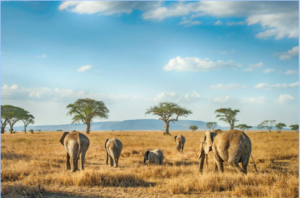
The Ngorongoro Crater stands as both a geological marvel and wildlife sanctuary of global importance, making it absolutely essential for any safari in Africa Tanzania. This massive volcanic caldera—formed approximately three million years ago when a volcano potentially rivaling Kilimanjaro’s current height catastrophically collapsed—creates a natural amphitheater 610 meters deep with a floor spanning 260 square kilometers. The crater walls function as boundaries concentrating approximately 25,000 large mammals within this confined space, producing wildlife densities that allow visitors to observe extraordinary species diversity within hours rather than the days often required in other African safari destinations.
The crater’s ecological self-sufficiency creates conditions unique in African conservation. Permanent water sources including Lake Magadi (fed by underground hot springs), numerous freshwater springs, and seasonal streams ensure year-round water availability regardless of rainfall. Diverse habitats compressed within the crater include extensive grasslands supporting wildebeest and zebra herds, marshlands where hippo pods congregate, acacia woodlands providing elephant refuge, and the Lerai Forest offering cool shade. Most remarkably, many animals complete entire life cycles within the crater without ever ascending the steep walls, creating a largely self-contained ecosystem that has fascinated biologists for generations.
For safari in Africa Tanzania visitors, Ngorongoro delivers the continent’s most reliable Big Five encounters. Black rhinoceros—critically endangered with fewer than 6,000 surviving across all of Africa—maintain a protected breeding population here with visitor sighting probabilities reaching 50-60%, higher than virtually any other African location. Lions thrive in multiple habituated prides allowing intimate behavioral observations. Large-tusked bull elephants regularly descend to the crater floor. Abundant buffalo herds and regular leopard sightings complete the Big Five experience with reliability unmatched elsewhere in Africa.
Tarangire National Park: The Elephant Kingdom of Africa
Tarangire National Park exemplifies why safari in Africa Tanzania consistently exceeds experiences available elsewhere on the continent. This 2,850-square-kilometer park undergoes dramatic seasonal transformations—during wet months wildlife disperses across a vast ecosystem exceeding 20,000 square kilometers, but as dry season intensifies from June through October, the Tarangire River becomes the region’s sole permanent water source, creating a wildlife concentration that rivals any African park for density and diversity.
Elephants define Tarangire’s character and provide compelling reasons for including this park in any safari in Africa Tanzania. Dry season populations reach several thousand individuals, with mega-herds sometimes exceeding 300 animals creating spectacles rarely witnessed elsewhere in Africa. These elephants rank among the continent’s largest, often carrying substantial tusks that intensive poaching has eliminated in less protected African regions. Research here has revealed sophisticated elephant societies—extended matriarchal families maintaining complex multi-generational relationships, individuals communicating through infrasonic calls traveling several kilometers, and emotional capacities including apparent grief responses that demonstrate cognitive sophistication rivaling great apes.
The park’s iconic baobab trees create landscape character distinguishing Tarangire from other safari destinations across Africa. These ancient giants—some exceeding 2,000 years old—dominate skylines with massive bottle-shaped trunks storing tens of thousands of liters of water. Their distinctive silhouettes against African sunsets create photographic opportunities unmatched elsewhere, making Tarangire a favorite among photographers on safari in Africa Tanzania.
Southern Tanzania: Africa’s Remote Wilderness Frontier
The southern circuit offers safari in Africa Tanzania experiences fundamentally different from well-traveled northern routes while maintaining world-class wildlife viewing. Nyerere National Park protects 30,000 square kilometers of pristine wilderness centered on the Rufiji River system—Tanzania’s largest waterway creating intricate channels, oxbow lakes, and floodplains supporting exceptional biodiversity. This park offers activity diversity unavailable in most African safari destinations: traditional game drives, boat safaris along river channels providing unique perspectives on hippos and crocodiles, and walking safaris with armed rangers allowing intimate wilderness engagement.
Ruaha National Park, at over 20,000 square kilometers Tanzania’s largest protected area, occupies a transitional biogeographical zone where eastern and southern African fauna overlap. This positioning creates biodiversity unmatched elsewhere in Africa. The park excels for elephant viewing with populations estimated at 15,000-20,000 individuals—one of Africa’s most significant concentrations. The Great Ruaha River sustains wildlife through eight-month dry seasons. Ruaha’s remoteness keeps visitor numbers remarkably low, delivering authentic African wilderness experiences increasingly rare in more accessible safari destinations across the continent.
Planning Your Safari in Africa Tanzania
Seasonal Strategies for Optimal Experiences
Timing your safari in Africa Tanzania strategically maximizes wildlife encounters and overall satisfaction. The primary dry season from late June through October offers quintessential African safari conditions—minimal rainfall, comfortable temperatures, excellent visibility as vegetation dies back, and concentrated wildlife around permanent water sources. These months coincide with migration herds in northern Serengeti and spectacular Mara River crossings. However, peak season brings premium pricing often 30-50% higher than low season, maximum tourist numbers, and advance booking requirements.
The green season from November through May presents compelling alternatives. November rains transform landscapes within days—brown grasslands turn verdant, migratory birds arrive from Europe and Asia by the thousands, and wildlife disperses widely. December through February offers a “short dry period” with excellent conditions and fewer tourists. The southern Serengeti calving season during these months creates extraordinary predator-prey drama as hundreds of thousands of wildebeest calves attract intense lion, cheetah, and hyena activity—experiences rivaling any African safari destination. Long rains from March through May bring lowest prices (often 40-60% below peak season), smallest crowds, and lushest landscapes, though some camps close and road conditions occasionally require flexibility.
Comprehensive Budget Planning for African Safari Excellence
Understanding realistic costs for safari in Africa Tanzania enables proper financial planning. Daily accommodation rates vary dramatically: budget camping safaris cost $200-350 per person; mid-range tented camps run $400-700 per person; luxury lodges command $1,000-2,000 per person; ultra-luxury properties exceed $2,500 per person. These rates typically include accommodation, meals, game drives, park fees, and professional guides.
Comprehensive budgets must include international flights ($800-2,500 from North America/Europe), Tanzanian visas ($50-100), travel insurance with medical evacuation ($100-300), gratuities ($100-300 for a week), and personal expenses. Realistic week-long mid-range safari in Africa Tanzania totals $7,000-10,000 per person all-inclusive, while luxury experiences reach $16,000-32,000+. Budget camping safaris can be accomplished for $5,000-7,000 all-inclusive, making authentic African safari experiences accessible across various financial situations.
Crafting Ideal African Safari Itineraries
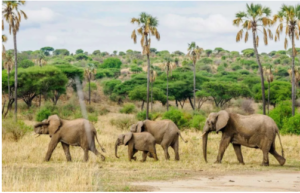
Safari in Africa Tanzania length dramatically impacts satisfaction and value. Brief three to four-day trips involve disproportionate travel time relative to wildlife viewing. Five to seven days represents a sensible minimum for quality experiences, allowing visits to three or four parks with adequate time for multiple game drives. Standard northern circuit itineraries include Serengeti (2-3 days), Ngorongoro Crater (1 day), and additional parks like Tarangire or Lake Manyara.
Extended ten to fourteen-day safaris enable comprehensive exploration at comfortable paces, permit multiple days at premier locations dramatically increasing rare sighting odds, and facilitate combining northern and southern circuits for maximum diversity. Longer itineraries also allow incorporating Mount Kilimanjaro trekking or Zanzibar beach relaxation, creating comprehensive African adventures beyond pure safari experiences.
Enriching Your Safari in Africa Tanzania
Specialized African Wildlife Activities
Safari in Africa Tanzania extends beyond traditional game drives through specialized activities. Hot air balloon safaris over the Serengeti provide magical aerial perspectives—launching pre-dawn and ascending as sunrise paints African landscapes golden. At $550-650 per person, balloon safaris represent significant investments consistently receiving highest satisfaction ratings from African safari participants.
Walking safaris fundamentally alter wilderness engagement during safari in Africa Tanzania. Moving on foot through wildlife habitat with armed rangers demands heightened awareness sharpening all senses. Guides teach African bush skills—tracking, plant identification, behavioral interpretation, ecological relationships. Night game drives reveal Africa’s nocturnal world—active lions, hunting leopards, socializing hyenas. These specialized activities create comprehensive safari in Africa Tanzania experiences unavailable in many other African destinations.
Conservation Impact and Community Development
Safari tourism plays crucial roles in Tanzania’s conservation success and provides a model for sustainable African wildlife protection. Tourism revenues exceeding $2.5 billion annually provide powerful economic justifications for maintaining protected areas throughout Africa. Park fees fund anti-poaching patrols, wildlife research, and ranger salaries. Tourism employment supports hundreds of thousands of Tanzanians, creating constituencies favoring conservation policies.
Responsible operators extend impact through community investments, local employment, and environmental best practices. Individual travelers contribute through respectful behavior—maintaining wildlife distances, following park rules, avoiding littering—protecting African ecosystems for future generations. This conservation model pioneered through safari in Africa Tanzania demonstrates how tourism can fund wildlife protection while benefiting local communities across the continent.
Conclusion
Safari in Africa Tanzania delivers the continent’s most comprehensive, reliable, and spectacular wildlife experiences. Whether witnessing the Great Migration’s awe-inspiring movement, observing intricate predator-prey interactions unique to functioning African ecosystems, encountering critically endangered species within protected sanctuaries, or simply absorbing the profound tranquility of African sunsets across endless savannas, Tanzania creates moments permanently reshaping how you understand Earth’s natural heritage. The country’s unwavering conservation commitment, sophisticated tourism infrastructure, and some of Africa’s most spectacular wildlife populations combine to establish safari in Africa Tanzania as the ultimate wildlife experience available on the continent.
Success requires honest priority assessment, realistic budgeting, and partnerships with knowledgeable operators capable of translating aspirations into achievable African safari itineraries. Tanzania’s remarkable diversity ensures perfect experiences exist for every traveler—luxury seekers, adventure enthusiasts, photographers, families, solo explorers. Safari in Africa Tanzania answers deep human longings for landscapes where nature dominates, preserving irreplaceable African wilderness for current and future generations.
Key Takeaways
- Africa’s Conservation Leader: Tanzania protects 300,000+ square kilometers (38% of territory) through comprehensive parks and reserves—the continent’s most extensive wildlife protection system
- Unmatched Wildlife Abundance: Three million large mammals in Serengeti ecosystem, 60,000 elephants, 15,000+ lions create viewing opportunities exceeding other African safari destinations
- The Great Migration: 1.5 million wildebeest, 200,000 zebras, 300,000 gazelles participate in Earth’s greatest terrestrial wildlife spectacle occurring primarily in Tanzania
- Big Five Reliability: Ngorongoro Crater offers Africa’s most dependable Big Five viewing with 50-60% probability for all five species in single game drives
- Complete Budget Spectrum: Budget camping ($200-350/day), mid-range lodges ($400-700/day), luxury camps ($1,000-2,000/day) accommodate all financial levels while delivering excellent African wildlife viewing
- Year-Round Safari Opportunities: Dry season (June-October) provides classic African safari conditions; green season (November-May) offers calving drama and fewer tourists
- Activity Diversity: Balloon safaris, walking safaris, boat excursions, night drives create comprehensive safari in Africa Tanzania experiences beyond standard game viewing
- Conservation Funding Model: $2.5+ billion annual tourism revenue funds African wildlife protection, demonstrating sustainable conservation through safari tourism
Frequently Asked Questions
Why choose safari in Africa Tanzania over other African countries?
Tanzania offers Africa’s most complete safari experience through several decisive advantages: the most extensive protected area network (300,000+ sq km), highest wildlife densities (3 million large mammals in Serengeti ecosystem), the Great Migration occurring primarily within Tanzania, superior Big Five viewing reliability especially in Ngorongoro, comprehensive accommodation options across all budgets, mature professional safari industry with expert guides, and political stability ensuring consistent operations. While Kenya, South Africa, Botswana, and other African nations offer excellent safaris, Tanzania’s combination of wilderness scale, wildlife abundance, ecosystem diversity, and tourism infrastructure remains unmatched across the continent.
What is the best time for safari in Africa Tanzania?
Optimal timing depends on priorities. July-October offers peak dry season with excellent general wildlife viewing, comfortable weather, and dramatic Mara River crossings, though with highest prices (30-50% premiums) and most tourists. January-February provides spectacular calving season with intense predator action and moderate crowds. June and November are excellent shoulder seasons with good conditions, reasonable pricing, and fewer visitors. March-May brings long rains with lowest prices (40-60% discounts), smallest crowds, and lushest African landscapes. First-time African safari visitors typically prefer July-October or January-February for reliability, while experienced safari-goers often choose shoulder or green seasons for value and intimacy.
How much does safari in Tanzania cost?
Comprehensive week-long safari in Africa Tanzania costs vary by accommodation level. Including international flights from North America/Europe, all meals, accommodation, activities, park fees, guides, visas, insurance, and gratuities: Budget camping safaris total $5,000-7,000 per person. Mid-range experiences cost $7,500-11,000 per person. Luxury safaris run $16,000-28,000 per person. Ultra-luxury experiences exceed $28,000-45,000 per person. Green season travel reduces costs 20-40%. Group safaris lower per-person expenses by spreading vehicle costs. While representing significant investments, safari in Africa Tanzania delivers extraordinary value through once-in-lifetime African wildlife experiences impossible elsewhere.
Is safari in Africa Tanzania safe for families and solo travelers?
Extremely safe. Tanzania maintains excellent tourism safety records among African safari destinations. Parks implement strict protocols, vehicle-based viewing is very safe following guide instructions, and violent crime against tourists is rare, especially in safari areas. Political stability exceeds many African countries. Families are warmly welcomed—many operators design child-specific programs with appropriate activities, though some lodges maintain minimum ages (6-8 years). Private vehicles work best for families. Solo travelers find excellent options including group safaris and solo-friendly lodges. With reputable operators and sensible health precautions, safari in Africa Tanzania is safe for all ages and travel styles.
What health preparations are necessary for African safari in Tanzania?
Yellow fever vaccination is mandatory for travelers from endemic African countries and recommended for all others. Hepatitis A and typhoid vaccinations are advised. Ensure routine immunizations are current. Malaria prophylaxis is essential—all major Tanzanian safari areas are malaria zones. Consult travel medicine specialists about antimalarial medications (atovaquone-proguanil, doxycycline, or mefloquine). Combine medication with behavioral protection: long sleeves/pants at dawn/dusk, DEET repellent, mosquito nets. Comprehensive travel insurance including medical evacuation is strongly recommended for African safaris. Consult travel health professionals 6-8 weeks pre-departure for personalized recommendations.
Can I see all Big Five during safari in Africa Tanzania?
Highly probable with proper planning. Lions appear regularly—virtually certain on week-long multi-park safaris. Elephants are abundant throughout Tanzania. Buffalo travel in large, easily spotted herds. Leopards appear with moderate frequency in optimal habitat—60-70% probability on week-long trips. Black rhinos are challenging—reliably seen mainly in Ngorongoro Crater (50-60% probability). Including Ngorongoro dramatically increases Big Five completion odds. Multi-day safaris visiting three or more parks provide best chances for experiencing all five iconic African species, though wildlife sightings can never be guaranteed—this unpredictability distinguishes authentic African safari from captive animal viewing.
What camera equipment is needed for safari in Africa Tanzania?
Professional wildlife photographers use 400-600mm telephotos, but quality African safari photos are achievable with modest equipment. Cameras with 200-400mm zoom capture most subjects adequately. Modern mirrorless cameras with advanced autofocus excel at tracking African wildlife. Fast shutter speeds (1/1000-1/2000 second) freeze action. High ISO capabilities (3200-6400+) enable dawn/dusk shooting when African wildlife is most active. Binoculars (8×42 or 10×42) are essential for distant viewing. Bring multiple batteries, large memory cards, cleaning supplies, and dust protection for African conditions. Most lodges provide charging. Smartphones work for landscapes but produce inferior wildlife images compared to dedicated cameras.
How does safari in Africa Tanzania compare to other African destinations?
Safari in Africa Tanzania consistently ranks superior to other African destinations through several metrics: largest protected area network in Africa (300,000+ sq km), highest wildlife densities (Serengeti’s 3 million large mammals exceed most African parks combined), the Great Migration occurring primarily in Tanzania rather than Kenya, superior Big Five reliability especially for rhinos, more comprehensive accommodation options across budgets, more mature safari industry with better-trained guides, greater ecosystem diversity from coastal areas to volcanic highlands, and stable political environment. While South Africa offers excellent infrastructure, Botswana provides exclusive luxury, and Kenya shares the migration, Tanzania’s combination of factors creates Africa’s most complete safari experience.